
From the verdant paddies of the Mekong Delta, where our RiceVera grains are meticulously cultivated, emerges a culinary treasure that has c...
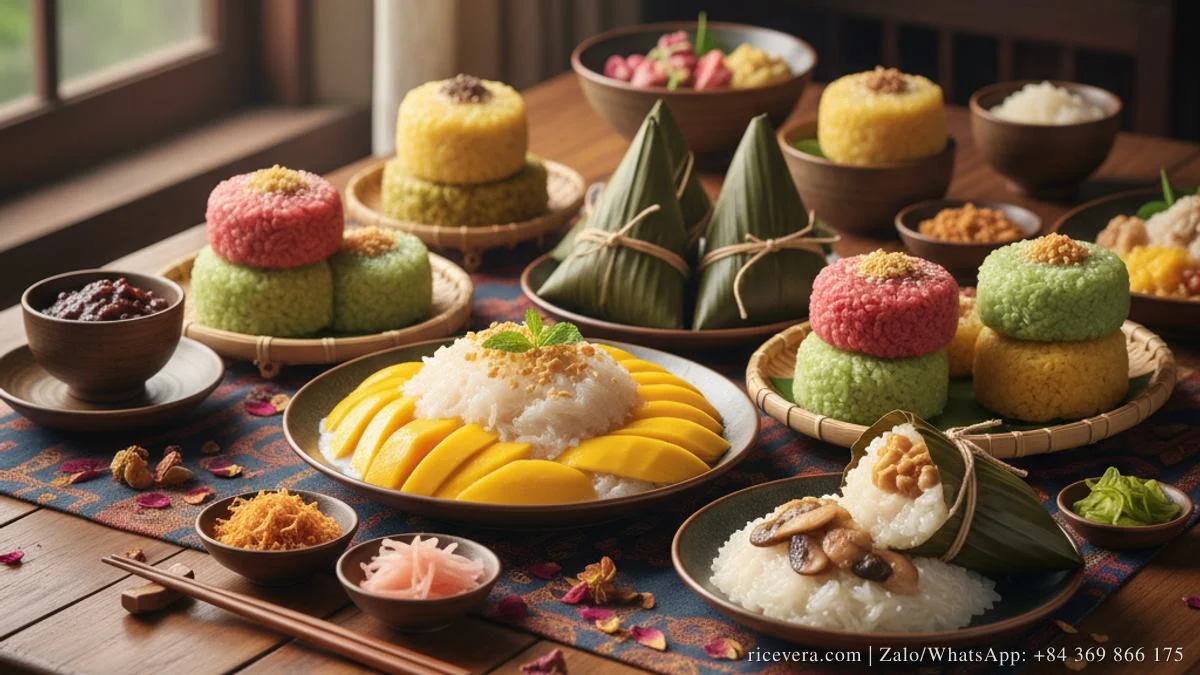
From the verdant paddies of the Mekong Delta, where our RiceVera grains are meticulously cultivated, emerges a culinary treasure that has captivated palates across Asia for millennia: glutinous rice. More than just a simple grain, this unique staple embodies tradition, celebration, and the very essence of diverse asian sticky rice cuisine. Its distinctive sticky, chewy texture, often referred to as 'sticky rice' due to its high amylopectin content, makes it incredibly versatile, transforming humble ingredients into extraordinary culinary experiences, from hearty savory meals to delicate sweet rice desserts.
The Enduring Allure of Glutinous Rice
Glutinous rice, scientifically known as Oryza sativa var. glutinosa, is a fundamental component of diets and cultural practices across Southeast and East Asia. Despite its name, it contains no dietary gluten; rather, 'glutinous' refers to its glue-like stickiness when cooked. This remarkable characteristic allows it to be molded, wrapped, and enjoyed in countless forms, providing a satisfying mouthfeel and a subtly sweet, comforting flavor profile that is deeply ingrained in the culinary heritage of many nations.
A Grain with Ancient Roots
The cultivation of glutinous rice dates back thousands of years, with archaeological evidence suggesting its presence in ancient civilizations across Asia. Its robust nature and ability to thrive in various conditions made it a valuable crop, and its unique properties quickly cemented its place in both everyday meals and ceremonial offerings. The reverence for this grain is palpable in the intricate preparation and presentation of many traditional sticky rice dishes.
A Tapestry of Sticky Rice Dishes Across Asia
The culinary journey of glutinous rice spans a vast geographical and cultural landscape, each region imparting its distinct flavors and techniques to this versatile grain.
Vietnam: The Heart of Celebrations
In Vietnam, glutinous rice, known locally as "gạo nếp," holds a revered status, especially during festivals and special occasions. Our own RiceVera Glutinous Sticky Rice, harvested from the pristine fields of the Mekong Delta, exemplifies the quality sought for these cherished preparations.
- Bánh Chưng and Bánh Tét: These iconic sticky rice cakes are indispensable during Tết (Lunar New Year). Bánh Chưng is a square cake, while Bánh Tét is cylindrical, both filled with savory ingredients like pork belly and mung beans, then wrapped in banana or lá dong leaves and boiled for hours. They symbolize prosperity and gratitude to ancestors, embodying the spirit of family reunion.
- Xôi: A broad category of savory or sweet sticky rice dishes. Xôi mặn (savory sticky rice) is often served for breakfast, topped with ingredients like fried shallots, Vietnamese sausage, shredded chicken, and cured pork. Xôi ngọt (sweet sticky rice) can be colored with pandan or gấc fruit, served with coconut milk and toasted sesame seeds, making for delightful sweet rice desserts.
Thailand & Laos: Everyday Staples and Sweet Indulgences
For Thailand and Laos, glutinous rice, or "khao niao," is more than just an ingredient; it's a way of life, particularly in the northern regions. It often accompanies meals as a primary carbohydrate, served in small, woven baskets.
- Mango Sticky Rice (Khao Niao Mamuang): Perhaps the most internationally recognized Thai sweet rice dessert, this dish combines perfectly steamed glutinous rice, sweetened with coconut milk and sugar, served alongside slices of fresh, ripe mango and often garnished with toasted sesame seeds or crispy mung beans. It's a symphony of textures and tropical flavors.
- Laotian Khao Niao: In Laos, sticky rice is the staple, eaten by hand and used to scoop up curries, stews, and grilled meats. Its firm, chewy texture provides a satisfying contrast to the rich, spicy flavors of Laotian cuisine.
Japan: Crafting Culinary Art
Japanese cuisine transforms glutinous rice, or "mochigome," into exquisite forms, often emphasizing texture and aesthetic appeal.
- Mochi: These chewy rice cakes are made from pounded glutinous rice. Mochi can be enjoyed in various forms: grilled, fried, or as part of savory dishes. However, it's most famous in sweet preparations, often filled with red bean paste (anko) or fruit, offering a delightful chewiness that is unique to Japanese confectionery.
- Sekihan: A celebratory dish of glutinous rice and adzuki beans, giving it a distinctive reddish hue. It is traditionally served on auspicious occasions like birthdays, weddings, and graduations, symbolizing good fortune.
Beyond the Borders: Diverse Sticky Rice Delights
The versatility of glutinous rice extends far beyond these nations, contributing to a rich tapestry of asian sticky rice cuisine:
- Zongzi (China): These pyramid-shaped parcels of glutinous rice are wrapped in bamboo or reed leaves, typically filled with savory ingredients like pork belly, salted egg yolk, and mushrooms. They are traditionally eaten during the Dragon Boat Festival.
- Puto and Bibingka (Philippines): While not exclusively glutinous rice, variations of these steamed rice cakes utilize sticky rice flour for their soft, chewy texture. Puto are often plain or flavored and served with savory dishes, while bibingka is a richer, baked cake traditionally cooked in clay pots, often enjoyed during Christmas.
The Art of Steaming: Unlocking Perfection
The traditional method for preparing glutinous rice involves steaming, a technique that preserves its unique texture and flavor. Unlike regular rice, which is typically boiled, steaming prevents the grains from becoming mushy and ensures each kernel remains distinct yet perfectly sticky.
Here's a general approach to preparing most glutinous rice recipes:
- Soaking: The first and most crucial step is soaking the glutinous rice. This typically involves rinsing the rice thoroughly until the water runs clear, then soaking it in cool water for a minimum of 4-6 hours, or ideally overnight. This rehydrates the grains, allowing them to cook evenly and achieve the desired tender-chewy texture.
- Draining: After soaking, the rice must be thoroughly drained. A fine-mesh sieve or colander is essential to remove all excess water, preventing the rice from becoming waterlogged during steaming.
- Steaming: The drained rice is then placed in a steamer basket lined with a damp cloth or banana leaves. It's crucial not to overcrowd the basket, allowing steam to circulate freely. Steam over rapidly boiling water for 20-30 minutes, or until the grains are translucent and tender. Some recipes suggest a brief stir halfway through to ensure even cooking.
- Fluffing and Serving: Once cooked, gently fluff the rice with a wooden spoon or spatula. For sweet preparations, it can be mixed with sweetened coconut milk while still warm. For savory dishes, it's ready to be served immediately with accompanying meats, vegetables, or sauces.
Culinary Masterpieces: Iconic Glutinous Rice Recipes
The versatility of glutinous rice lends itself to a myriad of preparations. Here are a few examples that showcase its potential:
Savory Sticky Rice Dishes
- Vietnamese Xôi Mặn: A robust breakfast or snack featuring RiceVera glutinous rice topped with an array of savory delights – Chinese sausage, shredded chicken, dried shrimp, pork floss, and a drizzle of soy sauce or fish sauce. The complexity of flavors and textures makes it deeply satisfying.
- Savory Steamed Sticky Rice with Mushrooms: A comforting dish often found in dim sum. Glutinous rice is mixed with rehydrated shiitake mushrooms, dried scallops, Chinese sausage, and sometimes seasoned pork, then steamed to perfection. The rice absorbs the rich flavors of the fillings, creating a fragrant and hearty meal.
Sweet Rice Desserts
- Coconut Sticky Rice with Durian: For the adventurous palate, this variation of mango sticky rice swaps mango for fresh durian, a highly prized fruit in Southeast Asia. The creamy durian pairs exquisitely with the sweet, coconut-infused glutinous rice.
- Black Sticky Rice Pudding (Pulut Hitam): Popular in Malaysia and Singapore, this dessert uses black glutinous rice, slow-cooked until tender and served with rich coconut milk and palm sugar. Its deep color and nutty flavor offer a comforting and wholesome finish to any meal.
Glutinous Rice in Festivals and Traditions
Beyond daily sustenance, glutinous rice plays a profound role in the cultural fabric of Asian societies, symbolizing unity, prosperity, and respect for ancestors. Its presence at festivals like Tết in Vietnam, the Dragon Boat Festival in China, and various harvest celebrations across Southeast Asia underscores its enduring significance. These sticky rice dishes are not just food; they are edible expressions of heritage, shared memories, and hopes for the future, strengthening bonds across generations.
Achieving Perfection: Tips for Cooking Glutinous Rice
To truly appreciate the unique qualities of RiceVera Glutinous Sticky Rice and excel in your glutinous rice recipes, consider these expert tips:
- Quality Matters: Start with premium glutinous rice. The quality of the grain, like that offered by RiceVera, directly impacts the final texture and flavor of your dish.
- Proper Soaking is Key: Do not skip or shorten the soaking time. It's the secret to evenly cooked, perfectly chewy grains.
- Avoid Overcrowding: When steaming, give the rice ample space. This allows the steam to circulate efficiently, preventing unevenly cooked or waterlogged rice.
- Season While Warm: For sweet preparations, mix in sweetened coconut milk or sugar while the rice is still warm to allow the flavors to infuse thoroughly.
- Experiment with Wraps: Using banana leaves, bamboo leaves, or even parchment paper to line your steamer basket or wrap your rice can impart subtle aromas and add to the traditional experience.
From the bustling streets of Hanoi to the tranquil temples of Kyoto, glutinous rice weaves a rich tapestry of flavors, traditions, and stories across Asia. Its unique texture and remarkable versatility make it an indispensable ingredient, capable of transforming simple meals into memorable feasts and everyday moments into cherished traditions. As you explore the myriad of sticky rice dishes and sweet rice desserts, remember that with every grain of RiceVera Glutinous Sticky Rice, you are not just savoring a meal, but experiencing the very essence of Vietnam’s finest grains and a culinary heritage steeped in centuries of passion and perfection.
Experience the RiceVera Difference
From the fertile Mekong Delta to fine tables around the world, RiceVera delivers sustainably grown, premium-grade rice that meets the most demanding international standards.
For wholesale, export & private-label inquiries:
- ✉️ Email: info@ricevera.com
- 📱 Phone / WhatsApp / Zalo: +84 369 866 175
- 🌐 Website: ricevera.com
RiceVera Co., Ltd — A member of Gold Group | Head Office: 32 Pho Quang, Tan Son Hoa, Ho Chi Minh City, Vietnam


COMMENTS