
In a world increasingly attuned to the origins and integrity of our food, the term “organic” has transcended a mere label to become a hallm...
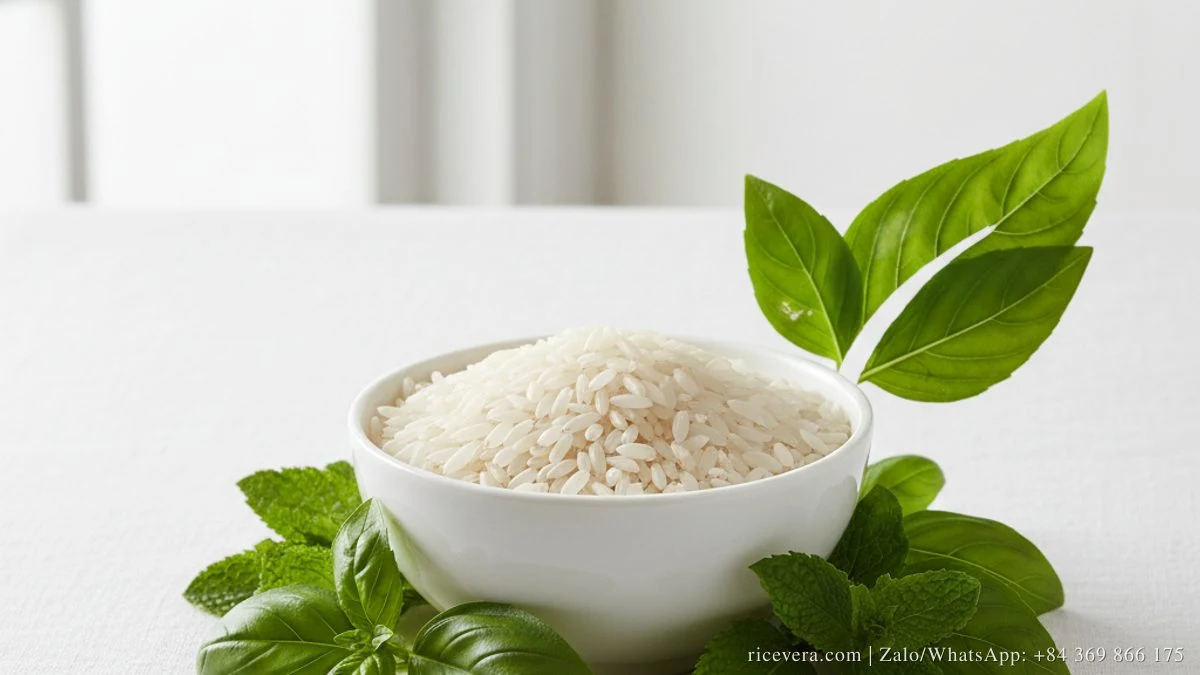
In a world increasingly attuned to the origins and integrity of our food, the term “organic” has transcended a mere label to become a hallmark of quality, purity, and ethical stewardship. For discerning palates and conscientious consumers, particularly when it comes to a staple as fundamental as rice, understanding what truly defines organic is paramount. It’s not simply an absence of chemicals, but a commitment to a holistic philosophy of cultivation, meticulously upheld and verified. At RiceVera, we believe in providing not just the finest grains from Vietnam's Mekong Delta, but also the clarity and assurance that accompanies genuine organic certification.
Unveiling the True Meaning of Organic Rice
At its heart, what is organic rice signifies a cultivation method that works in harmony with nature, rather than against it. It's a far more intricate process than simply avoiding synthetic inputs; it's a comprehensive approach that nurtures the land, respects biodiversity, and ultimately delivers a product that is as pure as it is delicious. This commitment to natural processes and sustainability is what elevates organic rice above conventional alternatives.
The Core Principles of Organic Cultivation
- No Synthetic Pesticides & Fertilizers: Perhaps the most widely recognized tenet, organic rice farming strictly prohibits the use of synthetic chemical pesticides, herbicides, and artificial fertilizers. Instead, farmers rely on natural methods such as crop rotation, composting, natural pest predators, and organic matter to enrich the soil and manage pests. This ensures that no harmful residues are absorbed by the rice grains or leach into the environment.
- No Genetically Modified Organisms (GMOs): Organic standards universally forbid the use of genetically modified seeds. This preserves the natural genetic integrity of the rice varieties, offering consumers a product free from engineered modifications.
- Soil Health & Biodiversity: Organic farming is intrinsically linked to regenerative agriculture. Farmers focus on building vibrant, living soil through practices like cover cropping, adding compost, and minimizing tillage. Healthy soil is more resilient, retains water better, and sequesters carbon, playing a crucial role in mitigating climate change. Additionally, organic farms often support greater biodiversity, providing habitats for beneficial insects, birds, and other wildlife.
- Sustainable Water Management: While not always explicitly detailed in every organic standard, sustainable water use is an inherent part of the organic philosophy, particularly in water-intensive crops like rice. Organic methods often improve soil's water retention, reducing the need for excessive irrigation.
The Rigorous Path to Organic Rice Certification
The term "organic" is not a marketing buzzword or a self-proclaimed status; it is a legally defined label backed by stringent regulatory frameworks. Achieving organic rice certification involves a rigorous, multi-step process overseen by accredited third-party bodies. This ensures that every claim is verifiable and every product meets the highest standards of integrity. It is this unwavering commitment to transparency and accountability that builds consumer trust.
Understanding Global Organic Standards: USDA Organic
For products destined for the United States market, the USDA organic rice certification is the gold standard. Administered by the U.S. Department of Agriculture, this program sets strict national standards for organic agricultural products. Key aspects include:
- Organic System Plan: Farmers must develop a comprehensive plan detailing their practices, from soil management and pest control to harvesting and processing. This plan is reviewed and approved by a USDA-accredited certifying agent.
- Third-Party Inspection: An annual on-site inspection is conducted by an independent certifier. This involves reviewing farm fields, processing facilities, records, and ensuring compliance with all organic regulations. Unannounced inspections can also occur.
- Record Keeping & Traceability: Meticulous records must be maintained, documenting every input, every harvest, and every step of the processing chain. This ensures complete traceability from the farm to the final package, allowing for verification of organic integrity at any point.
- Prohibited Substances List: The USDA maintains a detailed list of substances prohibited in organic agriculture, ensuring that no unapproved synthetic materials are used.
Navigating European Organic Standards: EU Organic
Similarly, for rice destined for European markets, the EU organic rice meaning is defined by the robust regulations of the European Union. The EU organic logo, featuring the distinctive green leaf design, is a symbol of compliance with some of the world's most comprehensive organic farming rules. The requirements share many similarities with USDA Organic:
- Strict Regulations: The EU organic regulation (EC) No 834/2007 and its implementing rules outline precise requirements for organic production, processing, and labeling. These cover everything from soil fertility and animal welfare (though not directly applicable to rice) to pest management and processing techniques.
- Control Body Audits: Farms and processors are subject to regular audits by approved control bodies. These audits are thorough, covering farm records, production sites, and adherence to all specified organic practices.
- Separation & Purity: Organic products must be kept separate from conventional products at all stages of production, storage, and transport to prevent cross-contamination.
- Labeling Requirements: Products carrying the EU organic logo must clearly indicate the code number of the control body and the place where the agricultural raw materials were farmed (e.g., 'Agriculture Vietnam').
The Unwavering Commitment to Traceability
Beyond the individual certifications, a common thread woven through all credible organic standards is an uncompromising commitment to traceability. Every bag of certified organic rice can be traced back to the specific fields where it was grown, the farmers who cultivated it, and the processing facilities that prepared it. This "farm-to-fork" transparency is essential for maintaining the integrity of the organic label and providing consumers with complete peace of mind.
Why Organic Rice Commands a Premium
The discerning consumer often notices that organic rice carries a higher price point than its conventional counterparts. This difference is not arbitrary; it reflects the substantial investment and meticulous effort required to adhere to organic principles and certifications. Understanding these factors provides valuable insight into the true cost of quality and sustainability.
- Labor-Intensive Practices: Organic farming typically requires more manual labor. For instance, weed control is often done by hand or through mechanical means rather than chemical herbicides, and pest management relies on careful observation and natural interventions.
- Lower Yields: Without the aid of synthetic fertilizers and pesticides, organic farms often experience lower yields per acre compared to conventional farming. This means more land and effort are required to produce the same quantity of rice.
- Certification Costs: The process of becoming and remaining certified organic involves significant costs, including fees for annual inspections, audit services, and paperwork. These costs are absorbed by the producers to ensure compliance and credibility.
- Investment in Soil Health: Organic farmers invest heavily in long-term soil health through practices like composting, cover cropping, and crop rotation. These practices build soil fertility naturally but can require more time and resources upfront.
- Risk Management: Organic farmers face higher risks from pests and diseases without chemical interventions, requiring careful planning and resilience, which can impact overall costs.
Beyond the Plate: Health and Environmental Imperatives
The choice of organic rice extends beyond personal preference; it's a decision with profound implications for both individual well-being and the health of our planet.
Nourishing Your Well-being
For those who prioritize purity, organic rice offers a significant advantage: it is grown without synthetic pesticides, herbicides, or GMOs. This means less exposure to potentially harmful chemical residues in your diet. While research on direct nutritional differences is ongoing, many believe that rice grown in nutrient-rich, living soil yields a more wholesome and flavorful grain. It’s about consuming food in its most natural, unadulterated state.
Stewarding Our Planet
The environmental case for organic rice is compelling. Organic farming practices foster biodiversity, protect water sources from chemical runoff, and reduce greenhouse gas emissions by building healthy soil that sequesters carbon. By choosing organic, consumers support farming systems that are resilient, sustainable, and contribute positively to ecological balance. It's a commitment to preserving the natural beauty and fertility of regions like Vietnam's Mekong Delta for future generations.
Ensuring Authenticity: How to Verify Organic Rice
With the growing popularity of organic products, it’s crucial for consumers to know how to distinguish genuinely certified organic rice from those making unsubstantiated claims. Verifying authenticity ensures you are truly investing in the quality and ethical standards you seek.
- Look for the Official Logos: The most straightforward way to verify organic status is to look for the official certification logos on the packaging – the green USDA Organic seal for the US market and the EU Organic leaf logo for Europe. These are clear indicators of compliance.
- Check Certification Body Details: Reputable organic products will also list the name of the certifying agent or control body (e.g., "Certified Organic by [Name of Certifier]") and their code. You can often cross-reference this information with the relevant organic authority's database.
- Brand Transparency: Brands committed to organic integrity will be transparent about their sourcing and certification processes. They should readily provide information about their organic standards and where their rice is grown.
RiceVera: The Essence of Verified Organic Excellence
At RiceVera, our commitment to "The Essence of Vietnam’s Finest Grains" is deeply intertwined with the principles of organic agriculture. Sourced from the fertile, pristine lands of the Mekong Delta, our organic rice undergoes the most stringent certification processes. Our RiceVera Organic White Rice, for example, is not only FDA, BRC, ISO 22000, and HACCP certified for quality and safety, but also proudly bears the USDA Organic and EU Organic certifications. This dual certification underscores our dedication to meeting the highest international standards, ensuring that every grain reflects our promise of purity, sustainability, and unparalleled taste.
We work hand-in-hand with local farmers in the Mekong Delta, upholding traditional farming wisdom while implementing modern organic practices. This synergy ensures that our rice is cultivated without synthetic pesticides or fertilizers, free from GMOs, and with an unwavering focus on soil health and biodiversity. When you choose RiceVera, you are not just selecting a luxury rice; you are choosing a product steeped in integrity, verified by global standards, and committed to a healthier planet and a more discerning palate.
The journey from seed to your plate is meticulously monitored and traceable, providing the ultimate assurance of quality and ethical sourcing. Our organic rice embodies the true spirit of luxury: purity, authenticity, and a profound respect for nature.
Experience the RiceVera Difference
From the fertile Mekong Delta to fine tables around the world, RiceVera delivers sustainably grown, premium-grade rice that meets the most demanding international standards.
For wholesale, export & private-label inquiries:
- ✉️ Email: info@ricevera.com
- 📱 Phone / WhatsApp / Zalo: +84 369 866 175
- 🌐 Website: ricevera.com
RiceVera Co., Ltd — A member of Gold Group | Head Office: 32 Pho Quang, Tan Son Hoa, Ho Chi Minh City, Vietnam


COMMENTS