
The art of sushi is a delicate dance of flavours, textures, and precision. While the freshest fish or crispest vegetables often capture the...
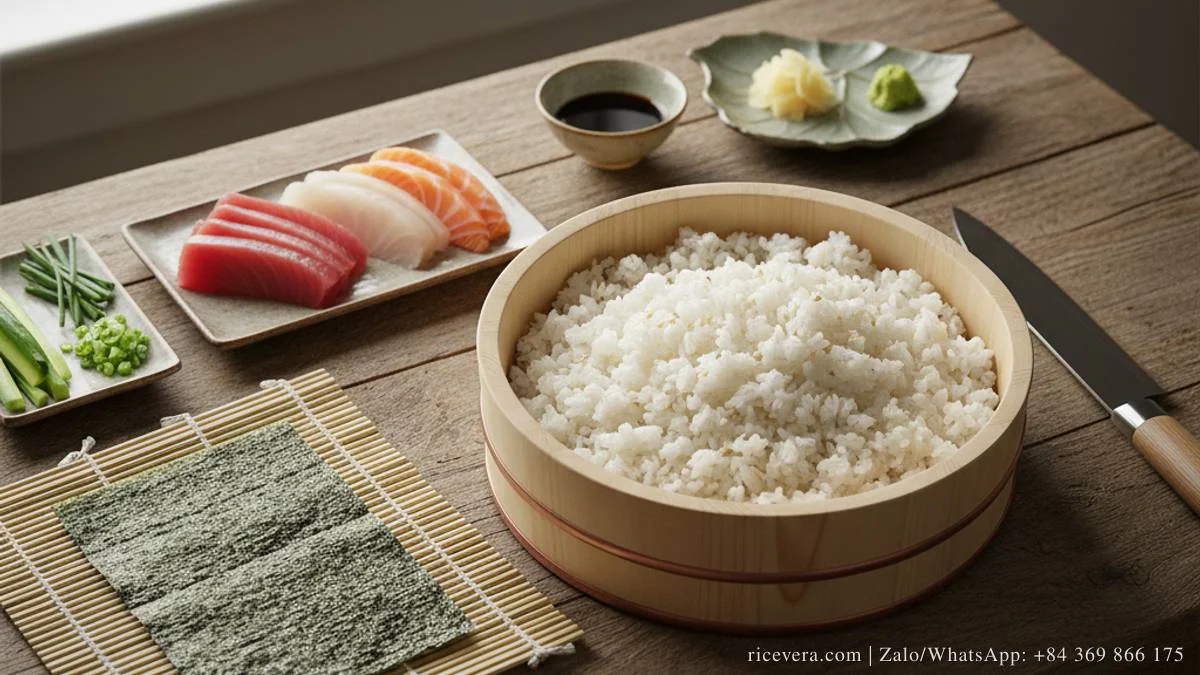
The art of sushi is a delicate dance of flavours, textures, and precision. While the freshest fish or crispest vegetables often capture the spotlight, true connoisseurs understand that the very soul of this beloved Japanese delicacy lies not in its toppings, but in its foundation: the rice. A perfect piece of sushi begins and ends with impeccably prepared rice, and for that, there is only one true choice: the exquisite short-grain Japonica.
The Soul of Sushi: Why Japonica Reigns Supreme
For centuries, the Japanese have cultivated and perfected a specific type of rice for sushi, known as Japonica. This short-grain variety is absolutely essential for creating authentic sushi because of its unique starch composition. Unlike longer grain rices, Japonica rice is rich in amylopectin, a type of starch that gives it its characteristic stickiness and glossy, plump texture when cooked correctly. This stickiness is not to be confused with mushiness; instead, it allows the individual grains to adhere gently to one another, forming a cohesive yet tender bed for the fish or fillings, without collapsing or feeling pasty.
When you seek the best rice for sushi, the criteria extend beyond mere stickiness. Japonica grains cook to a beautiful translucence, developing a subtle sheen that is visually appealing and indicative of proper hydration. Each grain should be distinct, yet capable of being compressed into a nigiri or rolled into a maki, holding its shape without crumbling. This delicate balance of adhesion and individual grain integrity is what makes japonica rice sushi-grade – a non-negotiable for any aspiring sushi chef or enthusiast.
Japonica vs. The World: A Grain Apart
To truly appreciate the superiority of Japonica for sushi, it's helpful to understand how it differs from other popular rice varieties. The world of rice is vast, but its suitability for sushi is remarkably narrow.
- Japonica (Short-Grain): The star. Round, plump grains. High amylopectin content leads to a sticky, slightly chewy texture when cooked. Absorbs seasoning beautifully. Essential for sushi.
- Indica (Long-Grain): Varieties like Basmati or Jasmine rice are long and slender. They cook up light, fluffy, and separate, due to a higher amylose content. While aromatic and delightful for many dishes, their lack of stickiness makes them wholly unsuitable for sushi, as the grains would simply fall apart.
- Medium-Grain: Often used in risottos or paellas (e.g., Arborio, Carnaroli). While slightly stickier than long-grain, they still lack the ideal texture and cohesion of short-grain Japonica for sushi, often becoming too soft or losing their structure when seasoned.
The difference is not merely aesthetic; it profoundly impacts the eating experience. Imagine trying to form a delicate nigiri with fluffy Basmati rice – it would be an exercise in futility. The structural integrity provided by Japonica's stickiness is paramount, allowing the sushi to be picked up cleanly with chopsticks, delivering a unified bite that harmonizes all components.
Discerning Quality: What to Look for in Your Sushi Rice
Given the pivotal role of rice, selecting a premium product is not just advisable; it is imperative. For discerning palates worldwide, quality is non-negotiable. When choosing your Japonica rice, look for these indicators of excellence:
- Grain Uniformity: The grains should be consistently sized and free from excessive broken pieces. Uniform grains cook evenly, leading to a superior texture.
- Purity: High-quality rice should be clean, free from impurities or discolouration.
- Freshness: While rice stores well, fresher rice generally has better flavour and texture. Look for harvest dates if available.
- Origin and Cultivation: The Mekong Delta in Vietnam, renowned for its fertile lands and pristine water sources, is an exceptional region for cultivating premium rice. The unique environmental conditions here contribute to a superior grain quality, rich in flavour and ideal for the exacting standards of sushi.
- Certifications: For a brand like RiceVera, a commitment to global standards is paramount. Look for certifications such as FDA, BRC, ISO 22000, HACCP, and USDA/EU Organic. These are not merely badges but robust assurances of quality, safety, and sustainable farming practices, ensuring that the rice you bring to your table is of the highest echelon.
RiceVera Co., Ltd, "The Essence of Vietnam’s Finest Grains," prides itself on its Japonica Sushi Rice, cultivated with meticulous care in the heart of the Mekong Delta. Our commitment to these stringent quality benchmarks ensures that every grain embodies the purity and perfection required for an unparalleled sushi experience.
The Art of Preparation: Mastering Sushi Rice
Once you have selected your superior Japonica rice, the journey continues with precise preparation. This sushi rice guide will walk you through how to make sushi rice that is both authentic and delicious.
Washing: The Purity Ritual
This is a crucial first step, often underestimated. Washing removes excess surface starch, preventing the rice from becoming gluey or mushy. It allows the grains to achieve their desired distinct yet sticky texture.
- Measure your desired amount of RiceVera Japonica Sushi Rice into a large bowl. A good rule of thumb is 1 cup of dry rice per 2-3 sushi rolls, or 2 servings of nigiri.
- Add cold water to the bowl, enough to cover the rice. Gently swirl the rice with your hand for about 20-30 seconds. The water will become cloudy.
- Carefully drain the cloudy water. Repeat this process 5-7 times, or until the water runs mostly clear. This meticulous washing ensures each grain will cook to perfection.
Cooking: The Heart of the Grain
The correct water ratio and cooking method are vital for achieving the ideal texture.
- Soaking (Optional but Recommended): After washing, drain the rice thoroughly. Return it to the bowl and add fresh, cold water. For every cup of dry rice, add 1.25 cups of water. Let the rice soak for 20-30 minutes. Soaking helps the grains absorb water evenly, resulting in a more tender and consistent cook.
- Cooking Method:
- Rice Cooker: This is the most consistent and recommended method. Transfer the soaked rice and its water into your rice cooker. Close the lid and select the "white rice" or "sushi rice" setting. Once cooked, let the rice rest in the cooker for an additional 10-15 minutes with the lid closed. This resting period allows the steam to redistribute, firming up the grains.
- Stovetop: Place the soaked rice and water into a heavy-bottomed pot with a tight-fitting lid. Bring to a boil over medium-high heat. Once boiling, reduce the heat to the lowest setting, cover tightly, and simmer for 15 minutes. Do not lift the lid during cooking. After 15 minutes, remove the pot from the heat and let it rest, still covered, for another 10-15 minutes.
- Fluffing: After resting, gently transfer the hot rice to a large, non-metallic bowl (a traditional wooden hangiri is ideal, but a large glass or ceramic bowl works well). Avoid plastic, as it can impart unwanted flavours.
Seasoning: The "Su" Secret
The seasoning, known as sushi-zu or su, transforms plain cooked rice into sushi rice. This is where flavour and gloss are imparted.
- Prepare the Seasoning: For every 3 cups of uncooked rice (yielding approximately 6-7 cups cooked), combine:
- 6 tablespoons rice vinegar (unseasoned)
- 3 tablespoons granulated sugar
- 1 teaspoon fine sea salt
- Season the Rice: Pour the warm sushi-zu evenly over the hot rice in the large bowl. Using a rice paddle or wooden spoon, gently fold and cut the rice with a diagonal motion. Avoid mashing or stirring vigorously, as this can break the delicate grains. The goal is to separate the grains while evenly distributing the seasoning.
- Cool and Fan: While folding, have someone fan the rice (traditionally with a hand fan, but a small electric fan works too). Fanning helps cool the rice quickly, evaporating excess moisture, and imparting a beautiful glossy sheen. Continue folding and fanning until the rice reaches body temperature (around 98-100°F / 37-38°C) and is no longer steaming. It should be slightly warm, tender, and perfectly sticky.
Common Pitfalls and How to Avoid Them
Even with premium rice, mistakes in preparation can compromise your sushi experience. Be mindful of these common errors:
- Insufficient Washing: Not washing the rice enough leaves too much surface starch, resulting in a gummy, clumpy texture.
- Incorrect Water Ratio: Too much water yields mushy rice; too little results in hard, undercooked grains. Always measure precisely.
- Over-Stirring: Aggressive stirring or mashing during seasoning will break the delicate Japonica grains, turning your beautiful rice into a pasty mess. Use gentle folding and cutting motions.
- Seasoning Cold Rice: The rice should be hot when the sushi-zu is added. The heat helps the rice absorb the seasoning evenly and quickly.
- Not Fanning: Skipping the fanning step means the rice will cool too slowly, potentially becoming soggy or losing its characteristic gloss.
- Using the Wrong Rice: As emphasized, attempting sushi with anything other than short-grain Japonica is a recipe for disappointment.
Mastering sushi rice is an art, a journey of precision and patience that rewards with unparalleled culinary delight. The foundation of any memorable sushi experience is the quality of the grain and the care with which it is prepared. By choosing RiceVera Japonica Sushi Rice, you begin with "The Essence of Vietnam’s Finest Grains," setting the stage for an authentic and exquisite creation. Embrace the ritual, respect the grain, and elevate your sushi to an art form.
Experience the RiceVera Difference
From the fertile Mekong Delta to fine tables around the world, RiceVera delivers sustainably grown, premium-grade rice that meets the most demanding international standards.
For wholesale, export & private-label inquiries:
- ✉️ Email: info@ricevera.com
- 📱 Phone / WhatsApp / Zalo: +84 369 866 175
- 🌐 Website: ricevera.com
RiceVera Co., Ltd — A member of Gold Group | Head Office: 32 Pho Quang, Tan Son Hoa, Ho Chi Minh City, Vietnam


COMMENTS