
Sustainable rice farming nourishes you & the planet. Request your free sample today! The journey of a single grain of rice, from the s...
Sustainable rice farming nourishes you & the planet. Request your free sample today!
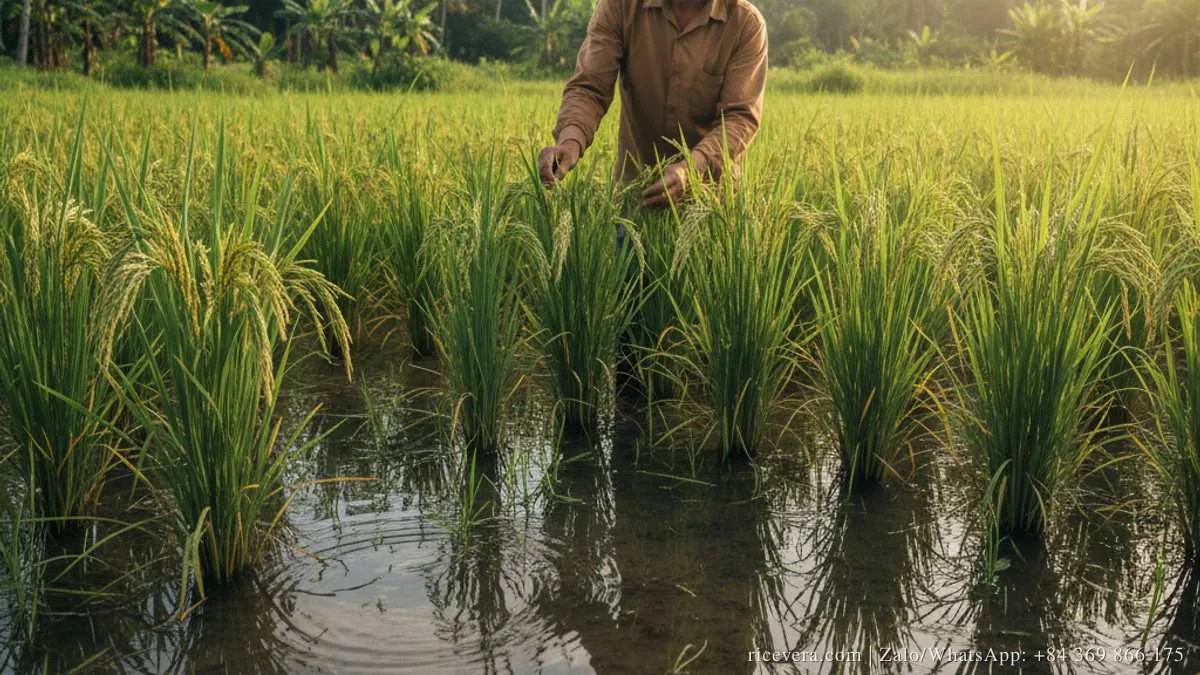
The journey of a single grain of rice, from the sun-drenched fields of the Mekong Delta to the tables of discerning homes worldwide, is far more intricate than often imagined. For centuries, rice has been the lifeblood of countless cultures, a staple that nourishes and connects. Yet, as global awareness of environmental stewardship deepens, the methods by which this fundamental grain is cultivated have come under increasing scrutiny. At RiceVera, we believe that true luxury extends beyond exquisite taste and pristine appearance; it encompasses a profound respect for the earth and the communities that nurture its bounty. This belief forms the bedrock of our commitment to sustainable rice farming, a philosophy we invite you to explore.
The Environmental Footprint of Conventional Rice Cultivation
Traditional rice cultivation, while feeding billions, often relies on practices that can place considerable strain on our planet's delicate ecosystems. Understanding these impacts is the first step towards fostering more responsible approaches to agriculture.
Water Consumption: A Precious Resource
Perhaps the most significant environmental concern surrounding conventional rice farming is its intensive water requirement. Rice paddies are traditionally kept flooded for much of the growing season, a method that demands vast quantities of fresh water. In regions already grappling with water scarcity, this practice can deplete vital reserves, impacting both agricultural communities and natural habitats.
Methane Emissions: A Global Concern
The constant flooding of rice fields creates an anaerobic environment in the soil, ideal for certain microbes that produce methane – a potent greenhouse gas, far more impactful than carbon dioxide in the short term. Rice paddies are estimated to contribute a significant portion of global anthropogenic methane emissions, making the search for sustainable rice farming methods crucial for climate action.
Cultivating Change: The Pillars of Sustainable Rice Farming
Fortunately, innovation and ancient wisdom are converging to forge a new path for rice cultivation. Modern eco friendly rice production practices offer compelling solutions to mitigate environmental impact while enhancing the quality and integrity of the harvest.
Water-Smart Techniques: Alternate Wetting and Drying (AWD)
One of the most revolutionary sustainable practices is Alternate Wetting and Drying (AWD). Instead of continuous flooding, fields are intermittently irrigated and allowed to dry for short periods. This technique significantly reduces water usage – by up to 30% or more – and critically, it curtails methane emissions by interrupting the anaerobic conditions. AWD represents a tangible step towards a more water-efficient and climate-friendly future for rice.
Nurturing the Soil: Reduced Inputs and Organic Practices
A commitment to soil health lies at the heart of green rice agriculture. This involves minimizing reliance on synthetic chemical fertilizers and pesticides, which can degrade soil quality, contaminate waterways, and harm biodiversity. Instead, sustainable farmers focus on enriching the soil naturally through crop rotation, composting, and the careful application of organic matter. RiceVera’s dedication to these principles is underscored by our USDA and EU Organic certifications, ensuring that our grains are cultivated in harmony with nature's rhythm.
Harmonious Ecosystems: Integrated Pest Management (IPM)
Integrated Pest Management (IPM) is a sophisticated, ecological approach to pest control. Rather than blanket spraying, IPM utilizes a combination of natural predators, resistant varieties, and targeted, minimal interventions only when necessary. This preserves beneficial insects, maintains ecological balance, and ultimately results in a cleaner, safer product free from harmful chemical residues.
Waste Not, Want Not: Rice Husk Reuse and Circularity
Sustainability extends beyond the growing season. The rice milling process generates a significant byproduct: rice husks. Instead of being discarded, these husks are increasingly being repurposed in innovative ways. They can be used as biofuel, generating renewable energy for mills, or transformed into valuable materials for construction, composting, and even as a soil amendment. This circular approach minimizes waste and maximizes resource efficiency, embodying a truly holistic view of sustainable grains production.
Beyond the Field: Eco-Conscious Packaging
The journey of sustainable rice doesn't end when it leaves the paddy. The commitment to environmental responsibility extends to packaging. At RiceVera, we meticulously select packaging materials that are not only elegant and protective but also minimize environmental impact, reflecting our dedication to sustainability at every touchpoint.
A Harvest of Benefits: For People and Planet
Embracing sustainable rice farming practices yields a myriad of benefits that resonate across ecosystems, communities, and individual health.
Empowering Farmers, Enriching Communities
For the farmers who dedicate their lives to cultivating rice, sustainable practices offer long-term stability and improved well-being. Reduced reliance on expensive synthetic inputs lowers operational costs, leading to greater economic security. Health risks associated with chemical exposure are minimized, and a healthier environment supports thriving rural communities. This holistic approach ensures that the bounty of the land supports the people who work it, fostering a more equitable and prosperous agricultural landscape.
For the Discerning Consumer: Health, Taste, and Conscience
For the conscious consumer, the benefits are equally compelling. Sustainable methods result in a cleaner, purer grain, free from unwanted chemical residues. This translates to a superior taste profile, where the natural essence of the rice can truly shine. Moreover, choosing sustainably produced rice allows consumers to align their purchasing decisions with their values, supporting ethical practices that benefit both the planet and its people. It's a choice that nourishes not just the body, but also the conscience.
The Synergy of Sustainability and Premium Quality
At RiceVera, we firmly believe that sustainability and premium quality are not mutually exclusive; rather, they are inextricably linked and mutually reinforcing. The meticulous care, precision, and respect for natural processes inherent in sustainable farming directly contribute to the exceptional quality of the rice.
Traceability: The Story in Every Grain
Transparency is a hallmark of luxury and sustainability. Premium sustainable brands offer robust traceability, allowing consumers to understand the provenance of their rice, the specific farming practices employed, and the journey from field to final product. This level of insight builds trust and reinforces the value proposition. Knowing the precise origin from the Mekong Delta, coupled with certifications like FDA, BRC, ISO 22000, and HACCP, provides assurance of both safety and ethical practice.
What Conscious Buyers Should Look For
For those who seek to make informed choices, certain indicators can guide you towards truly sustainable and premium rice:
- Certifications: Look for internationally recognized certifications such as USDA Organic, EU Organic, FDA, BRC, ISO 22000, and HACCP. These validate adherence to stringent environmental, safety, and quality standards.
- Brand Transparency: A reputable brand will openly share information about its farming methods, sourcing, and commitment to sustainability.
- Origin and Farming Practices: Understand where your rice comes from and whether the brand actively promotes practices like AWD, reduced inputs, and integrated pest management.
- Packaging: Consider the environmental footprint of the packaging materials.
RiceVera's Commitment: The Essence of Sustainable Excellence
RiceVera Co., Ltd, "The Essence of Vietnam’s Finest Grains," stands as a testament to the belief that luxury and sustainability can, and indeed must, coexist. Nestled in the fertile heart of the Mekong Delta, our fields are cultivated with a profound respect for nature and generations of accumulated wisdom. We are pioneers in implementing advanced sustainable rice farming techniques, from water-efficient irrigation to organic cultivation and integrated pest management, ensuring every grain embodies purity and integrity.
Our commitment is not merely a claim; it is validated by a suite of prestigious international certifications, including FDA, BRC, ISO 22000, HACCP, and USDA/EU Organic. These credentials affirm our rigorous standards in quality, safety, and eco friendly rice production. With RiceVera, you are not just choosing a premium rice; you are choosing a future where exquisite taste is harmoniously intertwined with environmental stewardship and social responsibility. It is a choice for the discerning palate and the conscious mind.
The journey from field to table is a sacred one, a delicate dance between human endeavor and natural processes. By embracing sustainable rice farming, we honor this journey, ensuring that the legacy of this vital grain continues to nourish future generations, enriching both our plates and our planet. At RiceVera, we are proud to lead this charge, offering you a taste of Vietnam’s finest, cultivated with unwavering dedication to excellence and sustainability.
Experience the RiceVera Difference
From the fertile Mekong Delta to fine tables around the world, RiceVera delivers sustainably grown, premium-grade rice that meets the most demanding international standards.
For wholesale, export & private-label inquiries:
- ✉️ Email: info@ricevera.com
- 📱 Phone / WhatsApp / Zalo: +84 369 866 175
- 🌐 Website: ricevera.com
RiceVera Co., Ltd — A member of Gold Group | Head Office: 32 Pho Quang, Tan Son Hoa, Ho Chi Minh City, Vietnam


