
The global palate is increasingly sophisticated, driving a rising demand for authentic, high-quality food products. For discerning business...
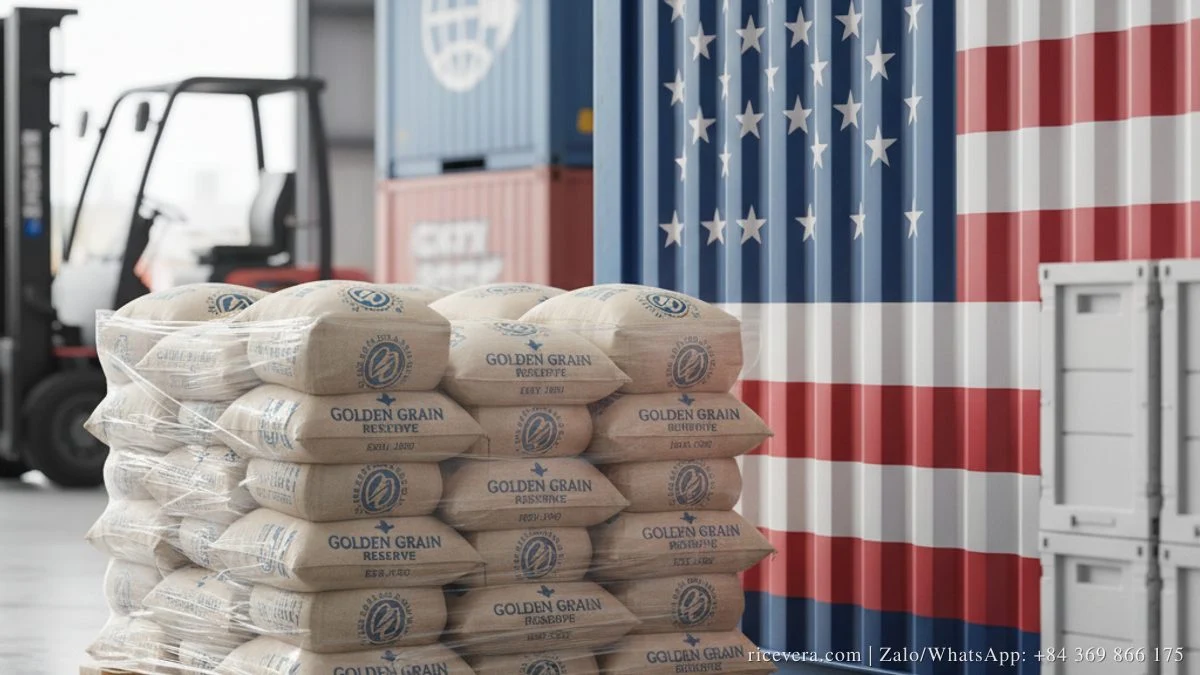
The global palate is increasingly sophisticated, driving a rising demand for authentic, high-quality food products. For discerning businesses aiming to enrich the American market, the prospect of importing premium Vietnamese rice to the USA represents a unique opportunity. Vietnam, particularly the fertile Mekong Delta, is celebrated for producing some of the world's most aromatic and flavorful grains. However, navigating the stringent regulatory landscape of US import laws, especially those set forth by the Food and Drug Administration (FDA), requires expertise and precision. This guide aims to demystify the process, offering a clear pathway for businesses to source and introduce the finest Vietnamese rice to American consumers, while positioning RiceVera as your trusted, export-ready partner.
The Allure of Vietnamese Rice in the US Market
The United States market presents a vibrant and growing demand for high-quality, specialty rice. Consumers are increasingly seeking out unique culinary experiences, health-conscious options, and ingredients with transparent origins. This trend has created a significant niche for premium Vietnamese fragrant rice varieties, celebrated for their exceptional taste, aroma, and texture.
Growing Demand for Premium and Organic Grains
The shift towards healthier eating and sustainable sourcing has fueled a surge in demand for organic and premium food products. Rice, a staple in countless diets, is no exception. American consumers are willing to invest in rice that offers superior quality, unique characteristics, and verifiable certifications. This includes organic options and those known for their distinct aromatic profiles. For businesses looking to buy Vietnamese rice USA, tapping into this segment means offering products that resonate with modern consumer values.
Why Vietnamese Fragrant Rice Captivates US Palates
- Aromatic Excellence: Varieties like ST25, often hailed as one of the world's best, and classic Jasmine rice, are renowned for their captivating fragrance and soft, fluffy texture when cooked. These attributes make them highly sought after by gourmet restaurants, specialty grocers, and home cooks alike.
- Versatility: Vietnamese fragrant rice complements a wide array of cuisines, from traditional Asian dishes to contemporary fusion creations, making it a versatile ingredient for diverse culinary applications.
- Cultural Connection: The growing Asian-American population and increasing interest in global cuisines further stimulate the demand for authentic Vietnamese rice, building a bridge between cultures through food.
Navigating FDA Requirements for Rice Imports to the USA
Successfully importing food products into the United States hinges on strict compliance with the U.S. Food and Drug Administration (FDA) regulations. These requirements are designed to ensure the safety and quality of food items entering the country. For businesses aiming to import rice to USA, understanding and adhering to these guidelines is paramount.
Key FDA Compliance Pillars for Food Importers
The FDA’s regulatory framework for imported foods is comprehensive, encompassing several critical components. Ignoring any of these can lead to significant delays, rejections, or even penalties.
1. Food Facility Registration
All foreign facilities that manufacture, process, pack, or hold food for human or animal consumption in the U.S. must register with the FDA. Importers are responsible for verifying that their foreign suppliers, like RiceVera, maintain active and valid FDA registrations. Without this, products cannot enter the U.S.
2. Prior Notice of Imported Food
For every shipment of food entering the U.S., prior notice must be submitted to the FDA. This notice provides the FDA with crucial information about the food product, its origin, and its destination before it arrives at a U.S. port of entry. It allows the FDA to conduct risk assessments and target inspections more effectively. Accurate and timely submission of prior notice is critical to prevent delays and potential rejection of your shipment.
3. Food Safety Modernization Act (FSMA) Compliance
The FSMA represents a fundamental shift in U.S. food safety law, moving from reactive responses to preventative controls. For importers, two key aspects of FSMA are particularly relevant:
- Hazard Analysis and Risk-Based Preventive Controls (HARPC): Foreign food facilities must implement a food safety plan that includes a hazard analysis and risk-based preventive controls for identified hazards. This ensures that potential food safety issues are addressed proactively at the source.
- Foreign Supplier Verification Programs (FSVP): U.S. importers are now required to establish and implement FSVPs for each food they import. This program verifies that foreign suppliers meet U.S. food safety standards, including those related to HARPC. It places a significant responsibility on the importer to ensure the safety of their supply chain, making the choice of a compliant supplier crucial.
4. US Food Labeling Requirements
All food products imported into the U.S. must comply with FDA labeling regulations. This includes:
- Statement of Identity: The common or usual name of the food (e.g., "Jasmine Rice").
- Net Quantity of Contents: The amount of food in the package, expressed in both U.S. customary and metric units.
- Ingredient Statement: A list of all ingredients in descending order of predominance by weight.
- Nutrition Facts Panel: Must follow the updated FDA format, providing information on calories, fat, sodium, carbohydrates, protein, and certain vitamins/minerals.
- Allergen Declaration: Clear identification of any major food allergens (e.g., wheat, soy, milk). While rice is generally allergen-free, proper cross-contamination statements might be necessary for facilities processing other allergens.
- Name and Place of Business: The name and address of the manufacturer, packer, or distributor.
- Country of Origin: Must clearly state "Product of Vietnam."
For organic products, additional USDA Organic labeling standards must be met, requiring certification by a USDA-accredited agent throughout the supply chain.
Key FDA Requirements at a Glance
| Requirement | Description | Impact for Importers / RiceVera's Role |
|---|---|---|
| Food Facility Registration | Foreign facilities must register with FDA. | Importers must verify; RiceVera maintains active FDA registration. |
| Prior Notice | Electronic submission before product arrival. | Essential for smooth entry; RiceVera provides necessary documentation. |
| FSMA (FSVP) | Importers must verify foreign suppliers meet US safety standards. | Crucial for compliance; RiceVera's BRC, ISO, HACCP, Organic certifications demonstrate robust food safety. |
| Labeling Compliance | Products must adhere to strict US FDA labeling laws. | Prevents rejections; RiceVera ensures packaging and labeling meet US standards, including USDA Organic. |
US Customs and Border Protection (CBP) Basics
Beyond the FDA, importers must also satisfy U.S. Customs and Border Protection (CBP) requirements. This involves accurate documentation, proper classification, and payment of any applicable duties and tariffs.
- Documentation: Essential documents include the commercial invoice, packing list, bill of lading (for ocean freight) or air waybill (for air freight), and any necessary certificates (e.g., phytosanitary certificates for agricultural products).
- Tariffs and Duties: While many agricultural products from Vietnam may benefit from favorable trade agreements, it's crucial to correctly classify the rice to determine applicable duties. Engaging a reputable customs broker is highly recommended to navigate these complexities.
The RiceVera Advantage: Your Export-Ready Partner
In a complex global market, partnering with a supplier that not only understands but excels in international compliance is invaluable. RiceVera Co., Ltd stands as a beacon of excellence in the vietnam rice export usa landscape, offering unparalleled quality and peace of mind for importers.
Certifications: Our Commitment to Your Success
RiceVera's extensive list of certifications is not merely a collection of badges; they are a testament to our unwavering commitment to quality, safety, and operational excellence. Our certifications include:
- FDA Registration: We are fully registered with the FDA, fulfilling a critical requirement for any business looking to import rice to USA.
- BRC (Brand Retail Consortium) Global Standard for Food Safety: This internationally recognized certification demonstrates our adherence to rigorous food safety management systems, reducing risk for our partners.
- ISO 22000: Highlighting our comprehensive food safety management system across the entire supply chain.
- HACCP (Hazard Analysis and Critical Control Points): A systematic preventative approach to food safety from biological, chemical, and physical hazards.
- USDA/EU Organic: Our organic offerings meet the stringent standards required for both the United States Department of Agriculture (USDA) Organic and European Union Organic certifications, opening doors to premium markets.
These certifications mean that when you choose RiceVera, you are selecting a partner who has proactively addressed food safety, quality, and regulatory compliance at every stage, significantly mitigating your risk and streamlining the fda rice import process.
Quality from the Mekong Delta
As "The Essence of Vietnam’s Finest Grains," RiceVera sources its premium rice from the pristine fields of the Mekong Delta. This fertile region is globally recognized for producing rice of superior quality, distinct aroma, and exceptional taste profile. Our commitment to sustainable farming practices ensures both environmental stewardship and the consistent delivery of outstanding grains.
Packaging and Labeling Expectations
Beyond regulatory compliance, packaging and labeling play a crucial role in market acceptance. RiceVera understands the diverse needs of the US market, offering flexible packaging solutions whether you require bulk shipments for further processing or retail-ready packages designed to meet specific brand aesthetics and consumer preferences. We ensure all packaging and labeling comply with FDA requirements, including accurate nutrition facts, ingredient lists, and country of origin declarations, making us an ideal partner for businesses looking to buy Vietnamese rice USA.
Logistics: Shipping and Lead Times
Efficient logistics are vital for successful international trade. Shipping premium Vietnamese rice to the USA typically involves ocean freight, offering a cost-effective solution for larger volumes. The journey from the Mekong Delta to various U.S. ports (e.g., Los Angeles, New York, Houston) generally entails lead times ranging from 30 to 45 days, depending on the specific port of destination, shipping line schedules, and customs clearance efficiency. RiceVera leverages its experience in international export to manage these logistics, ensuring timely and secure delivery of your orders.
Factors such as global shipping demand, port congestion, and seasonal fluctuations can influence lead times. We work closely with our logistics partners to provide transparent communication and reliable estimates, ensuring you can plan your inventory effectively.
Experience the RiceVera Difference
From the fertile Mekong Delta to fine tables around the world, RiceVera delivers sustainably grown, premium-grade rice that meets the most demanding international standards.
For wholesale, export & private-label inquiries:
- ✉️ Email: info@ricevera.com
- 📱 Phone / WhatsApp / Zalo: +84 369 866 175
- 🌐 Website: ricevera.com
RiceVera Co., Ltd — A member of Gold Group | Head Office: 32 Pho Quang, Tan Son Hoa, Ho Chi Minh City, Vietnam


COMMENTS